Our engagement
Increasing the impact of our research through policy engagement, advocacy, knowledge exchange, thought leadership and media relations
Influencing policy, advocating for change
The George Institute produces high-quality, high-impact evidence to inform policy, guidelines and practices across the world. We engage with key decision makers to enact real change in health policy and practice where it is needed most.
Our many multilateral relationships harness the power of combined action. In 2024, The George Institute took part in meetings including the UN Commission on the Status of Women, the World Health Assembly, the Bonn Climate Change Conference, the UN Summit of the Future, the UN General Assembly and the UN Climate Change Conference in Baku (COP29).
We continue to strengthen our links with the World Health Organization. In 2024, The George Institute became a member of the WHO Civil Society Working Group on Noncommunicable Diseases, adding to our existing membership of the WHO Civil Society Working Group to Advance Action on Climate and Health. We continue to co-chair with the WHO the NCD Lab on Women and Girls, which in 2024 held a fourth call for grassroots innovations, this time focused on primary health care approaches.
Our government engagement programmes in Australia, India and the UK saw regular meetings held with decision makers to share the findings of our research. We published numerous submissions in response to calls for evidence, appeared at multiple hearings, and were delighted to see our recommendations reflected in some of the final outputs – see 2024 highlights below.
Our civil society networks also expanded in 2024. Reflecting our growing programme of research and advocacy on the intersections of climate and health, the Institute was accepted as a member of both the Planetary Health Alliance and the Gender and Environment Data Alliance.
2024 highlights
It was a busy year as we worked to ensure our research reached the hands of decision makers and evidence users working to advance health equity around the world. You can explore some of the highlights below.

Social participation for health
Sharing key asks for a World Health Assembly resolution
Read about the event

Influencing India’s parliament
Our evidence on the health of bidi workers is cited in Lok Sabha
See the Minister's answer
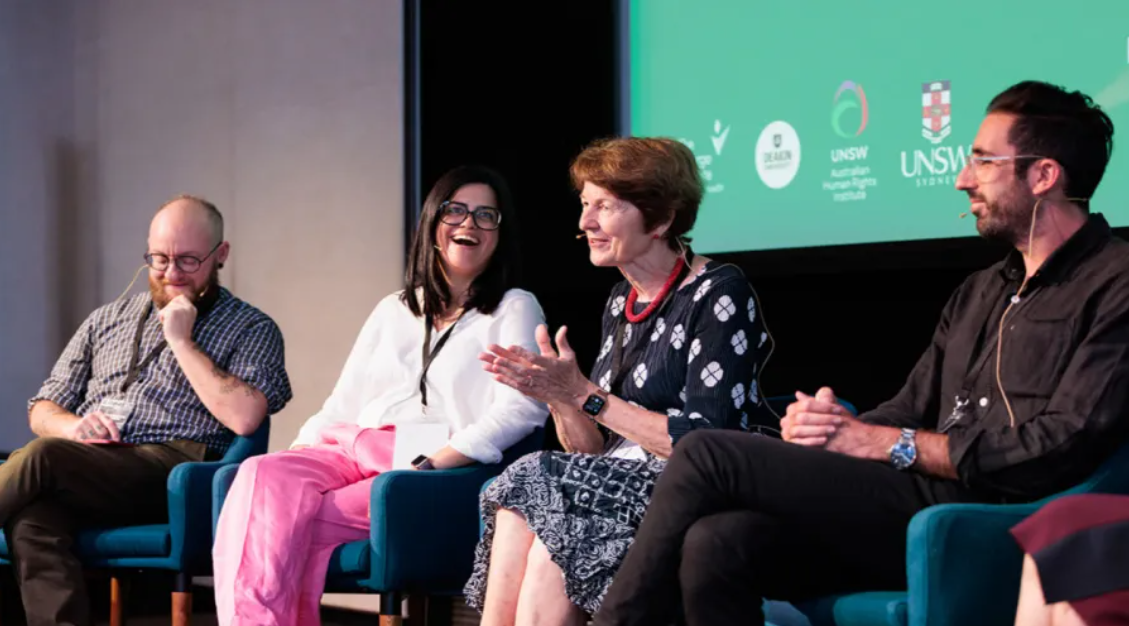
Tackling sex and gender inequities
Convening stakeholders from across sectors to launch new centre
Read about the launch
Influencing Fiji’s government
Meeting Ministers to advocate for more data on chronic diseases
Find out more
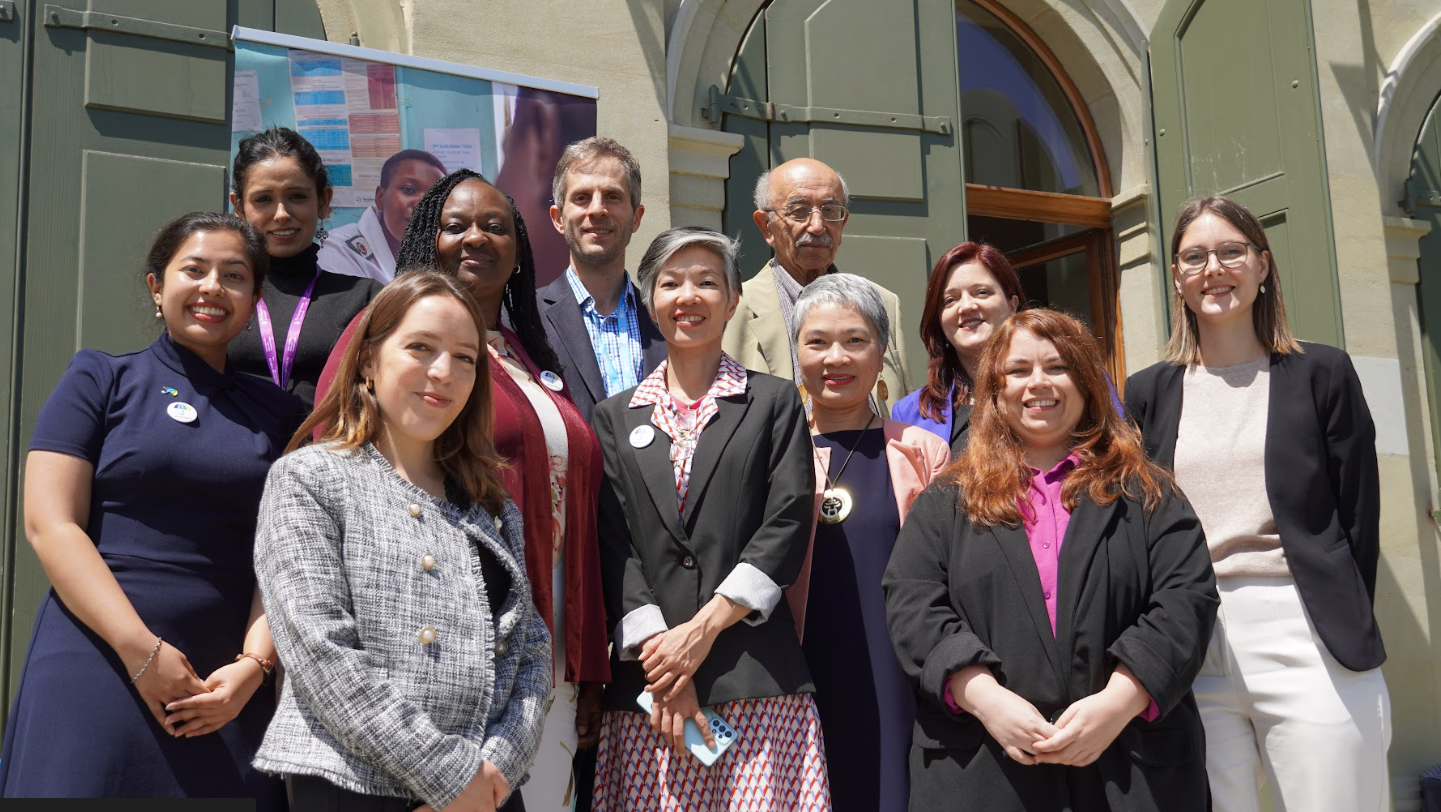
World Health Assembly
Hosting a side-event to share findings from the SPHERE Consortium
See the details

Celebrating World Environment Day
Broadcasting the links between climate, food and health
Listen to the podcast

Informing diabetes policy
Australian Parliament's recommendations align with our evidence
Read our response

Public health campaign
Raising awareness of why we need to #SwitchTheSalt
Learn about the campaign

Advocating for UK leadership
Briefing the government on the need to prioritise chronic diseases
Read the policy brief

Documentary screenings in India
Films about waste workers’ wellbeing shared with local officials
Watch the videos

UN Climate Change Summit
Calling for community-driven, intersectoral action at COP29
See our advocacy asks
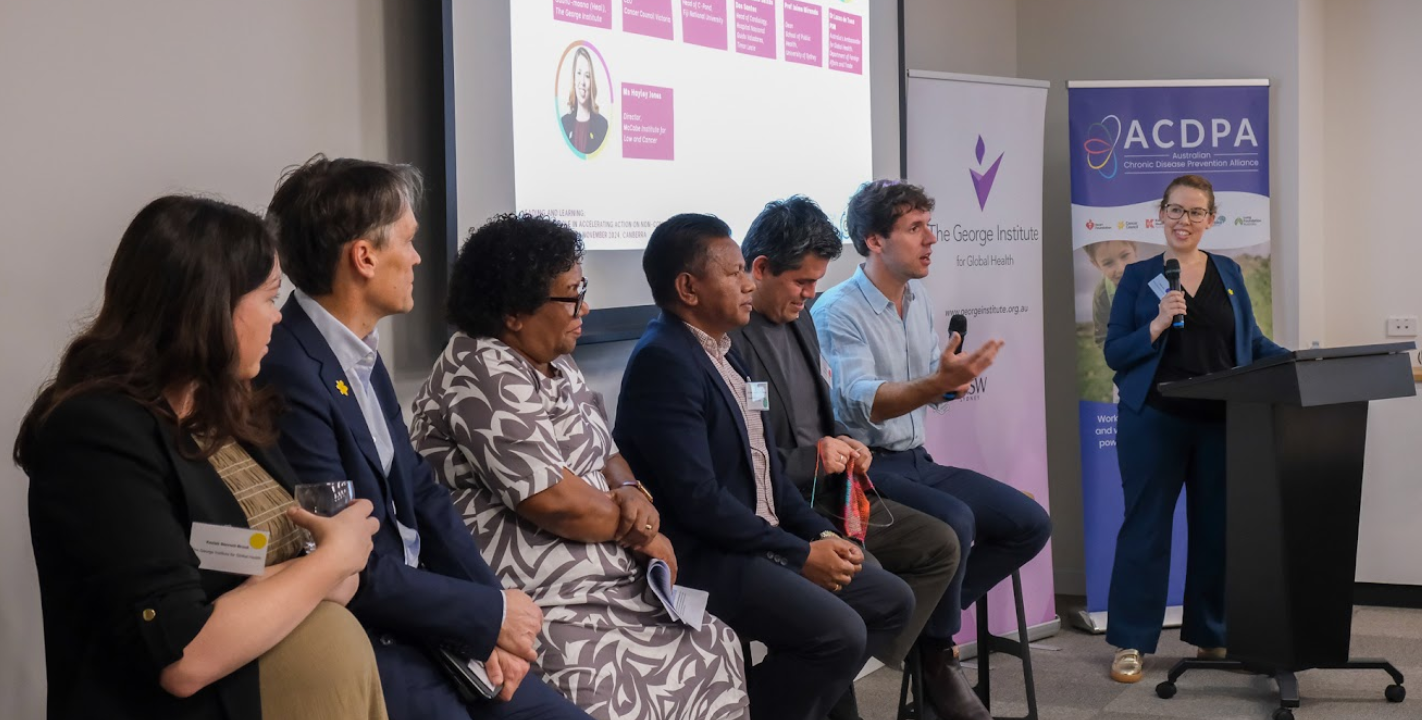
Global health strategy workshop
Exploring health equity with Australia and Pacific Island nations
Read the event report
Facilitating knowledge exchange
From June to September 2024, The George Institute ran the Quantitative Health Research Training Program in Sydney – a milestone initiative in knowledge exchange that brought together staff from across our global offices to deliver training to clinical staff from The Second Affiliated Hospital, Zhejiang University School of Medicine (SAHZU), China.
The program combined our flagship courses, Fundamentals of Research Methods and Study Design and Randomised Clinical Trials, with an expanded curriculum covering more than 40 topics, including protocol development and presentation skills. Over 80 intensive training days, we ran approximately 160 sessions comprising interactive lectures, hands-on workshops, presentations, and one-on-one feedback.
Our aim was to equip SAHZU clinicians with the knowledge to conduct robust, impactful health research – while also strengthening our partnerships, enhancing our profile, and cementing our position as leaders in both international and domestic research training.
We look forward to continuing to expand our global footprint in this space and forging new pathways for cross-border collaborations and knowledge exchange.
The Quantitative Health Research Training Program in numbers:
teaching faculty members
faculty interactions
participant interactions
topics covered
clinical staff from China participated
sessions were delivered in
intensive training days over
consecutive months
Strengthening our thought leadership
The George Institute convenes key stakeholders and fosters discussions to stimulate debate, guide critical policy decisions and facilitate evidence-based change, working with the world’s leading health voices. Here are just some of the highlights of 2024.

April
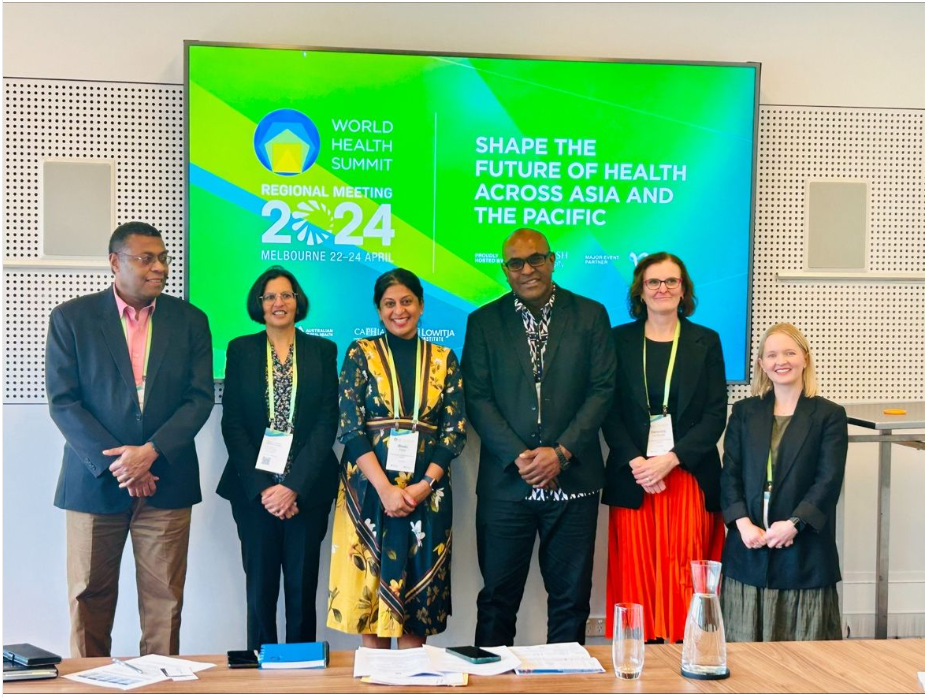
The George Institute was a partner to the World Health Summit Asia Pacific Regional Meeting in Melbourne, Australia, bringing people with lived experience to the Summit to share their knowledge, contributing to panel sessions on Cardiovascular-Kidney-Metabolic Syndrome in the Asia-Pacific and achieving health equity for women and girls, and hosting a breakfast on stories of First Nations excellence. Find out more here.
May
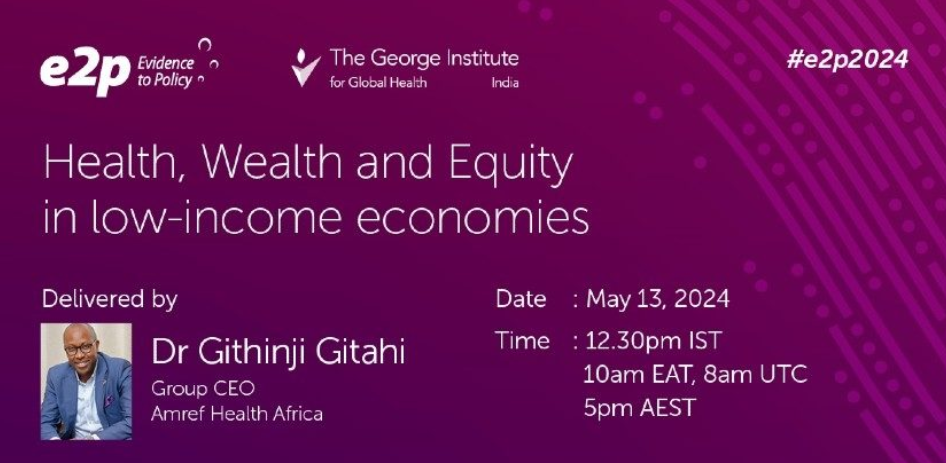
The George Institute India hosted its annual Evidence2Policy lecture, this year featuring the Global Chief Executive Officer of Amref Health Africa, Dr Gitinji Gitahi. Dr Gitahi, a former co-chair of UHC2030 and a member of the Governing Board of the Africa Centre for Disease Control, spoke on the topic ‘Health, wealth and equity in low-income economies’. Find out more here.

June
The George Institute convened a global Advisory Board on clinical trials – the first of a series of such boards, which provide an opportunity for structured, collaborative engagement with world-renowned experts from different fields, ensuring our strategies reflect diverse perspectives and the latest innovations. The Advisory Board serves for one year and will deliver recommendations to the Institute in 2025. Find out more here.

November
The George Institute was well represented at the Global Symposium on Health Systems Research in Nagasaki, Japan. This year the symposium had the theme ‘Building Just and Sustainable Health Systems Centring People and Protecting the Planet’. Around 12 researchers and advocates from the Institute attended, coordinating seven sessions across the different themes. Find out more here.

December
To round out the year, we hosted Dr Seye Abimbola, Associate Professor at the University of Sydney and former Editor-in-Chief of BMJ Global Health, for the launch of his powerful book, The Foreign Gaze: Essays on Global Health. The event was an opportunity for an important and challenging discussion about equity in global health - read the reflections of our CEO, Anushka Patel, here.
Our external appointments
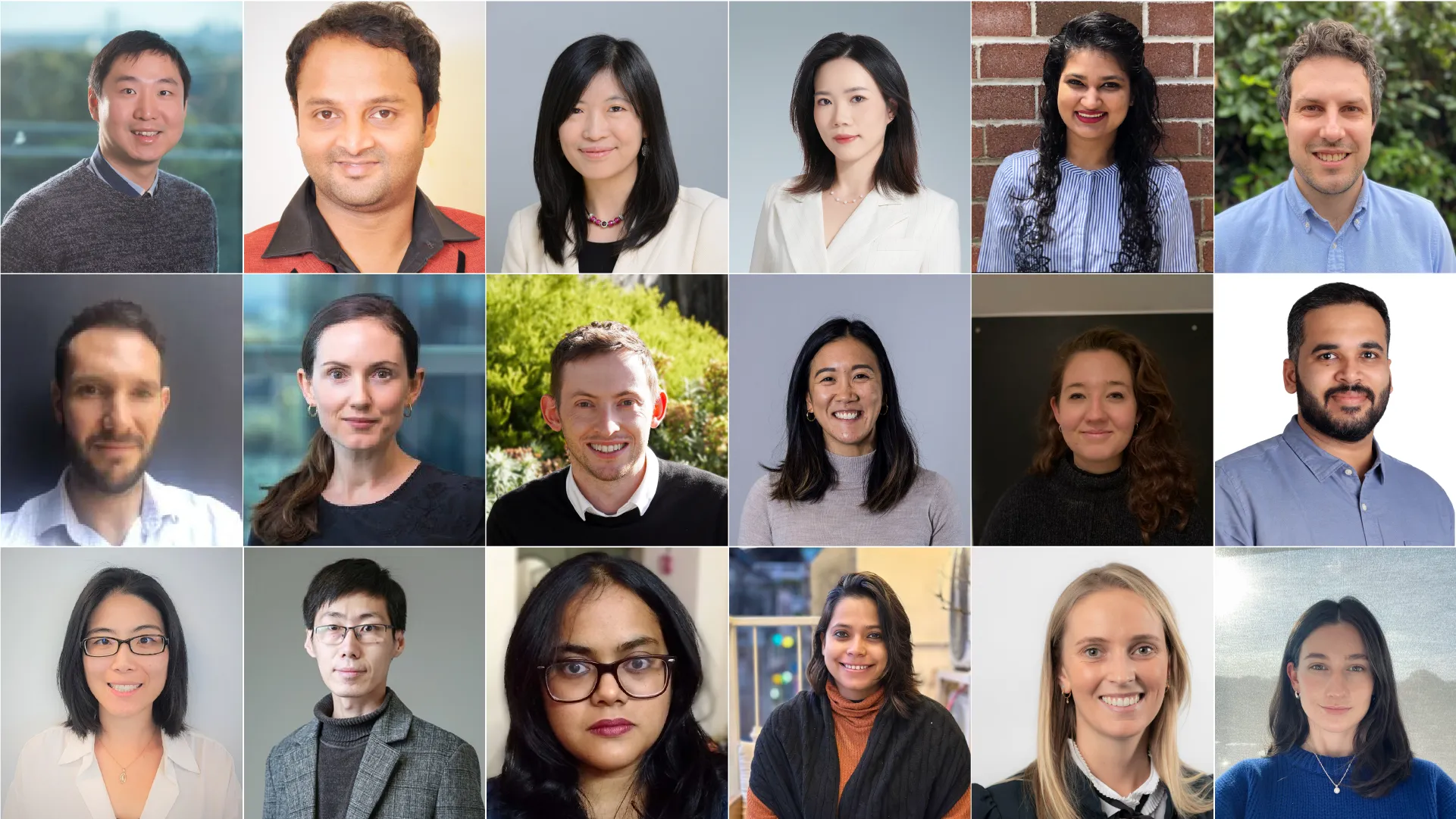
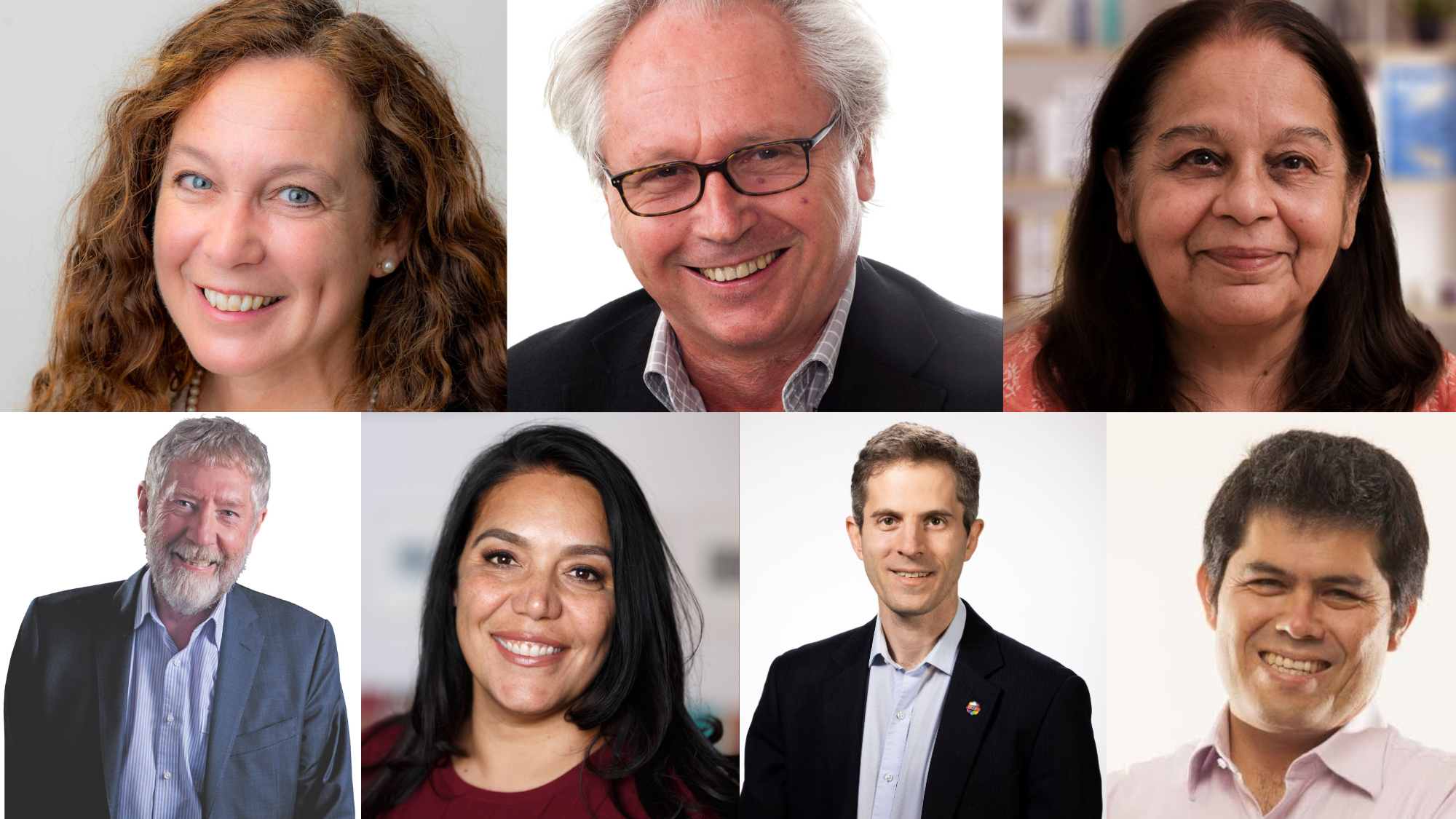
Our staff are leading experts in their fields, and as such are often invited to take up external appointments with other organisations, expanding the reach and reputation of The George Institute further. In 2024, our staff reported holding around 90 such positions, ranging from expert working groups and steering and scientific committees to guideline development groups, supervisory boards and advisory panels.
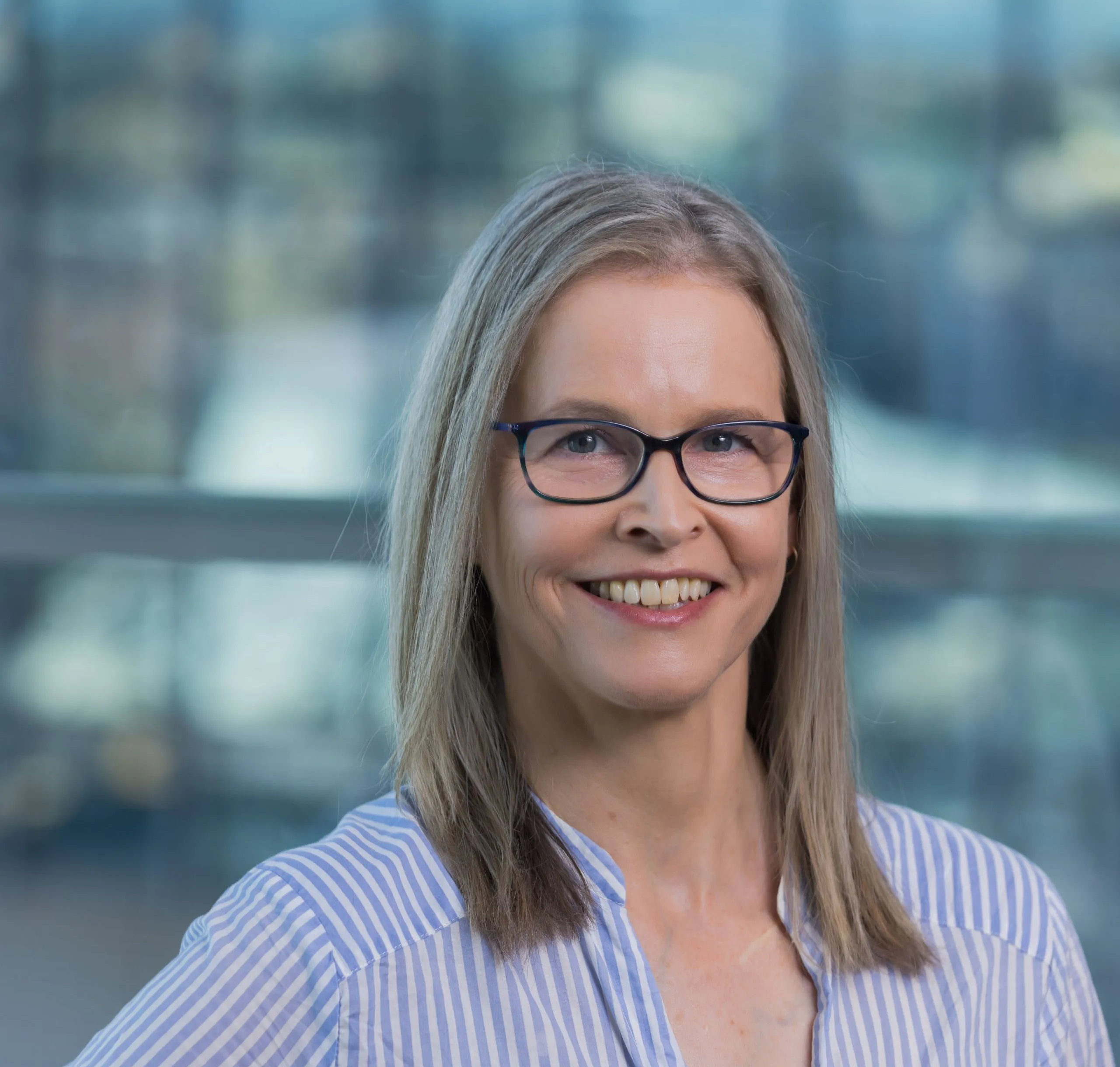
These appointments span multilaterals, research bodies, government departments and civil society. In examples of the former, Professor Simone Pettigrew is a member of the WHO’s Technical Advisory Group on the Prevention and Control of Noncommunicable Diseases, while Professor Pallab Maulik is part of the WHO’s Technical Advisory Group on Loneliness and Social Connectedness.
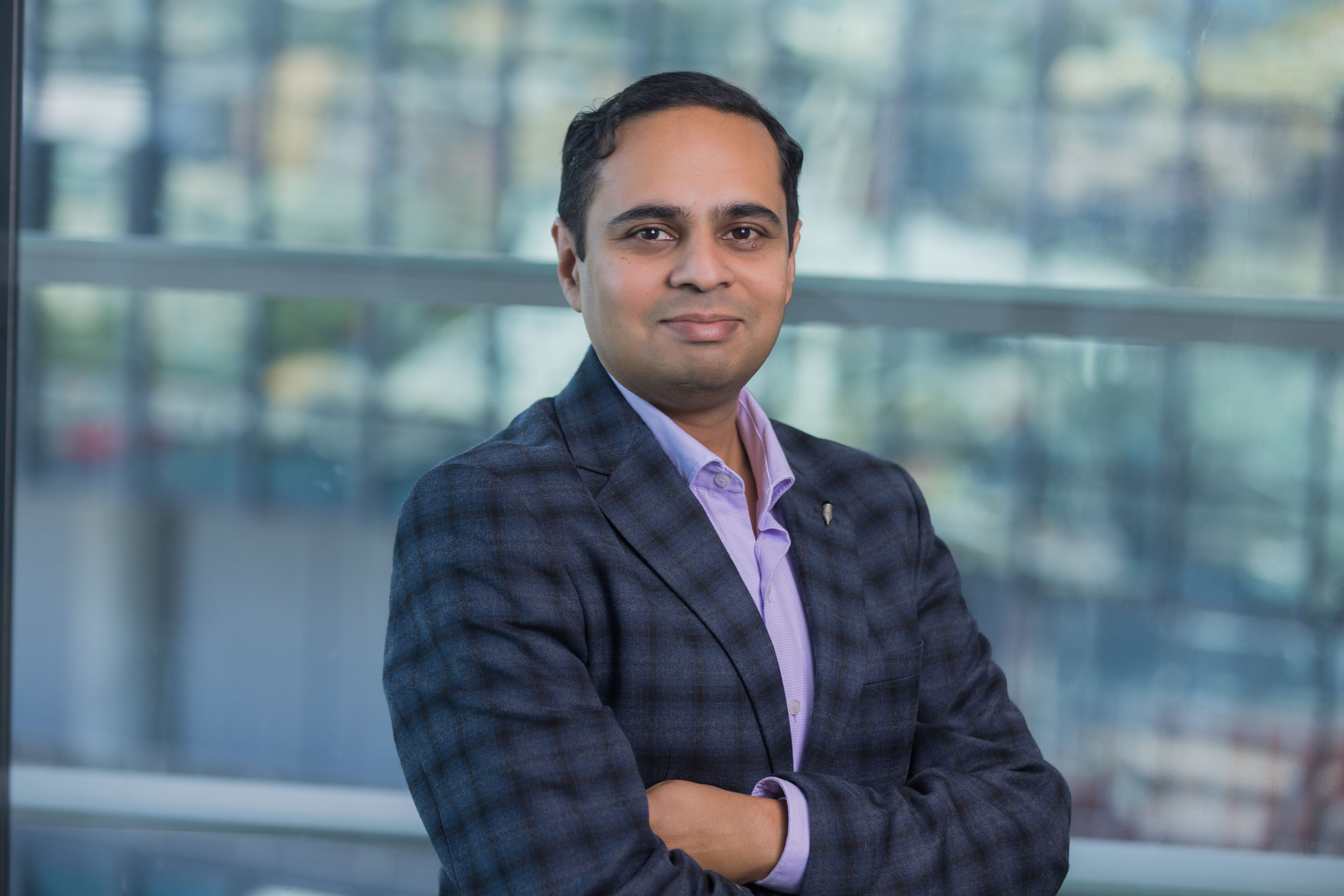
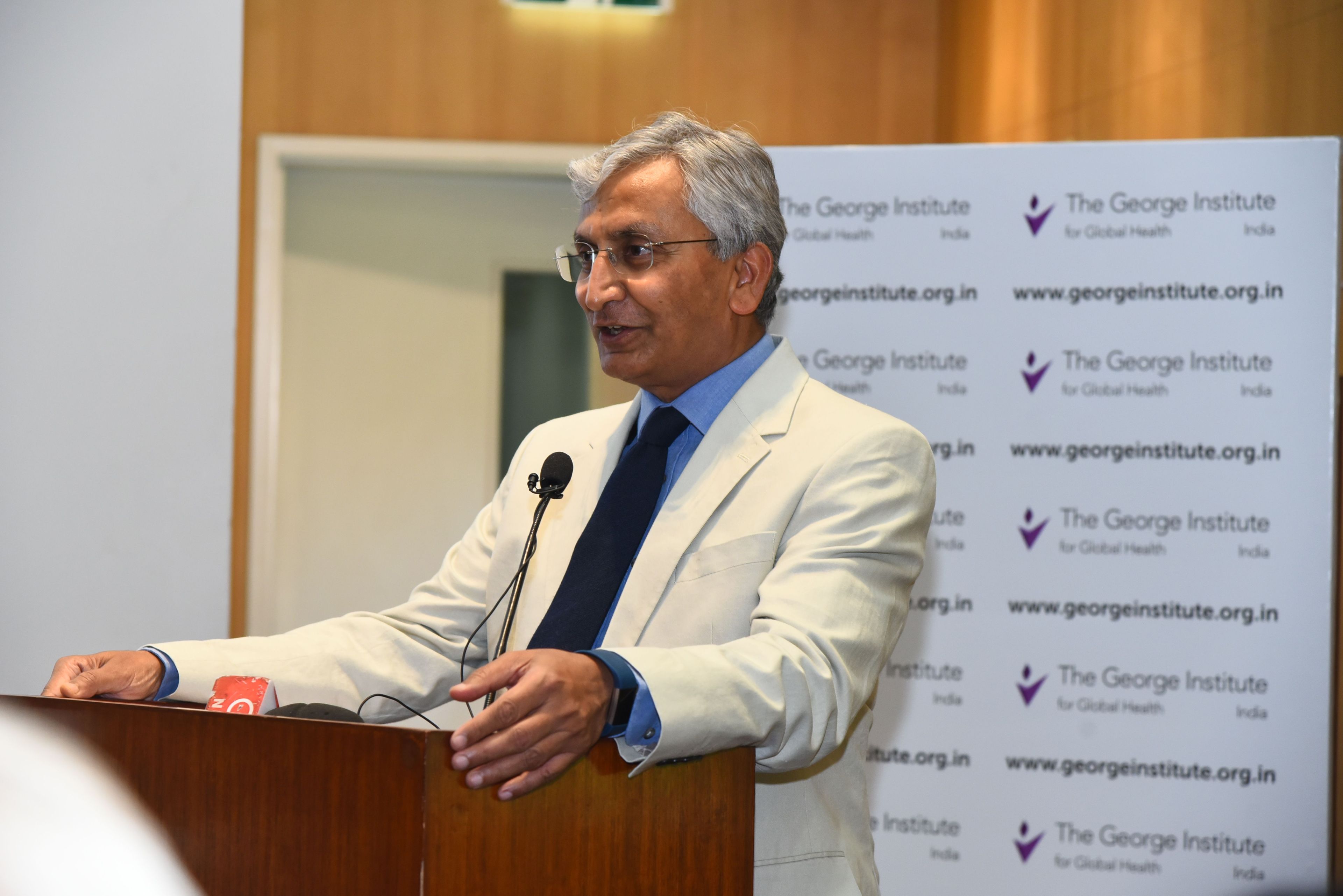
Associate Professor Naomi Hammond chairs the Australian College of Critical Care Nursing’s Research Advisory Panel, while Dr Soumyadeep Bhaumik is a member of the Steering Committee on Research Priority Setting for Model Rural Health Research Units, at the Government of India’s Department of Health Research. Professor Vivekanand Jha is a member of the Executive Committee of KDIGO, a global organization developing and implementing clinical practice guidelines in kidney disease.
Associate Professor Jagnoor Jagnoor is a member of the Supervisory Board of YOURS (Youth for Road Safety), while Professor Christine Jenkins is on the Board of Lung Foundation Australia. Finally, in 2024 Professor Craig Anderson was named President-Elect of the World Stroke Organization, which represents over 55,000 stroke specialists in clinical, research and community settings around the world.
Simone Pettigrew

Naomi Hammond
Soumyadeep Bhaumik

Jagnoor Jagnoor

Pallab Maulik
Vivekanand Jha

Christine Jenkins
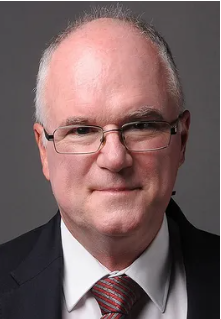
Craig Anderson
Planning for impact
At The George Institute, we encourage our researchers to plan for impact from the outset. We support them to design an impact pathway and implement activities along the way, whether their goal is to influence policy or practice, advance knowledge, collaborate with communities, or commercialise their work.
In 2024, our researchers reported conducting 294 impact activities, ranging from meetings with government stakeholders to partnering with industry and holding academic workshops.
impact activities in 2024
Tracking the impact of our publications




news mentions of a study on the nutritional profile of commercial foods for infants and toddlers
of our publications were cited in a clinical guideline for the management of high blood pressure
academic citations of a publication on chronic kidney disease, the highest for a 2024 publication

Organisations publishing the highest number of policy documents citing our research in 2024
World Health Organization
Pan American Health Organization
World Bank
National Institute for Health and Care Research, UK
Parliamentary Select Committee Publications, UK
Data from BMJ Impact Analytics
Securing media coverage for our work
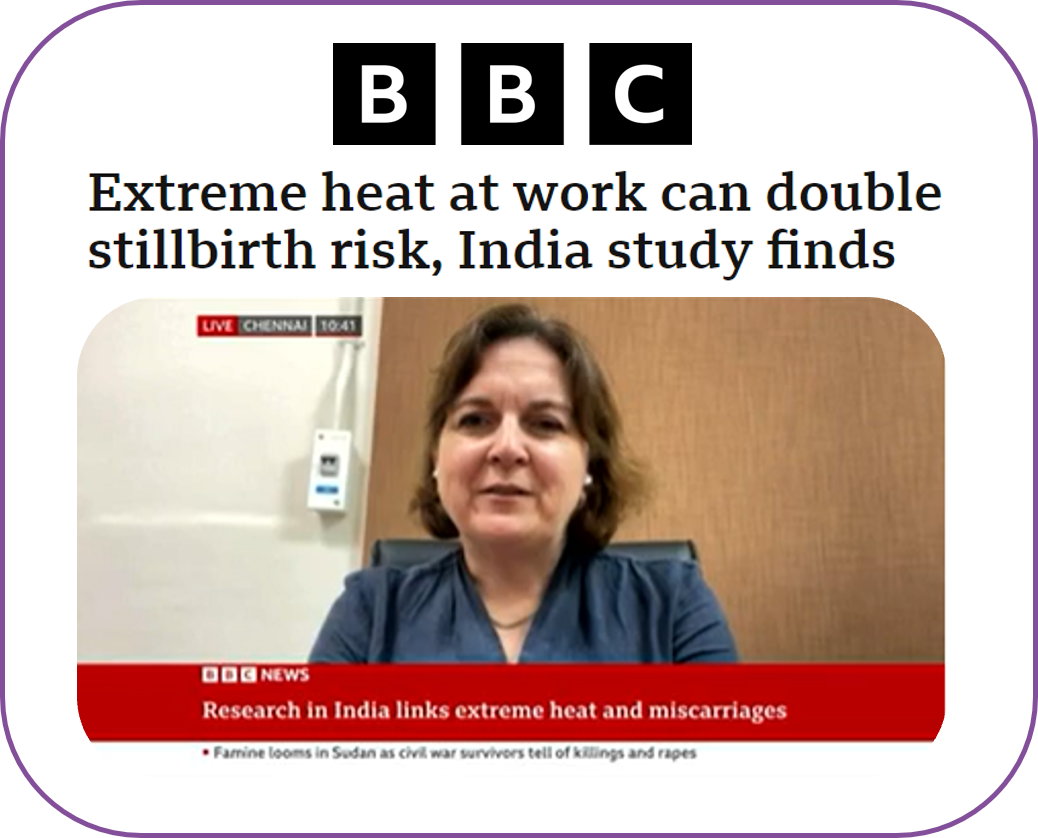
Our research attracts the attention of some of the world’s most influential media outlets in news and global health. Here are some of the highlights from 2024.